TL;DR
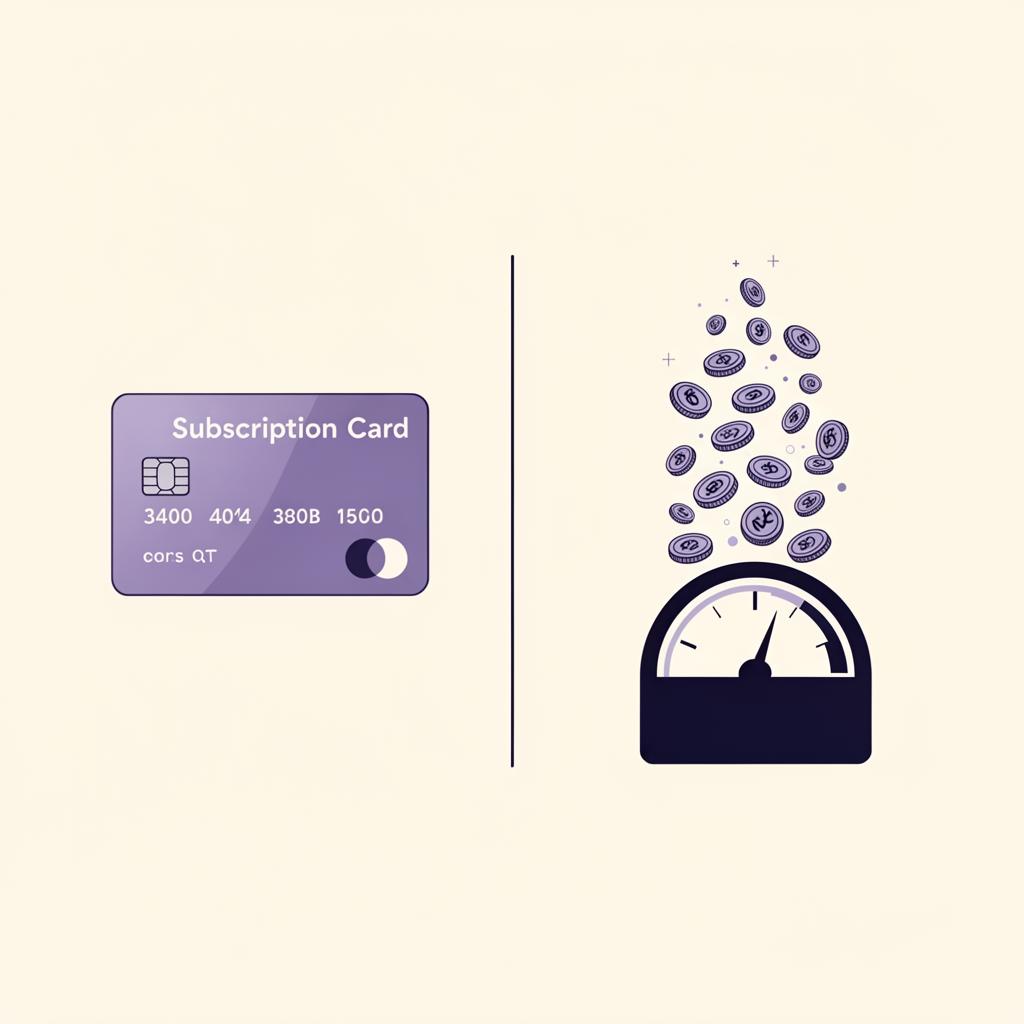
Per-resolution pricing sells well because it sounds outcome-aligned. In practice, the resolution is defined by the vendor, audited by the vendor, and billed by the vendor. Token-based or per-conversation contracts are less marketable but more honest: the unit is verifiable, the math is yours, and the vendor cannot move the line. Any CX leader signing a multi-year AI contract this quarter should be able to defend their pricing model to the CFO in one sentence.
The Conversation That Should Worry Every Buyer
A senior CX leader described a recent vendor pitch. The incumbent customer service platform was pushing its native AI add-on, priced per resolution. Halfway through the call, the buyer asked a technical question about token economics. The account executive admitted she did not know what a token was.
That is not a story about one underprepared rep. It is a story about a pricing model designed so the buyer never has to look under the hood, because if they did, they would price the contract differently. When the seller does not understand the unit cost, the buyer is the one absorbing the variance.
What Per-Resolution Pricing Actually Is
Per-resolution pricing charges only when the AI reaches a defined outcome. On the surface this is the most buyer-friendly model on the market. You pay for value, not for activity. Vendors who price this way have done real engineering work and should get credit for it.
The catch is in the word resolution. There is no industry-standard definition. One vendor counts a ticket closed by the customer. Another requires a specific action in the system of record. A third charges only when no human ever touches the ticket. The definition is in the contract, the measurement is in the vendor's dashboard, and the audit trail back to your own systems is rarely complete.
Three things follow from that.
The bill can move without your service cost moving. Tighten the resolution definition and your invoice grows. Loosen it and the vendor's margin grows. Either way, the dial is on the vendor's side of the desk.
Complex conversation mixes get punished. Operations with high intent complexity, frequent escalations, or strict compliance review may find that most conversations consume model compute and human review but few meet the narrow resolution criteria. The effective cost per handled conversation ends up higher than a per-conversation rate would have been.
Duplicate work gets billed twice. When an agent mishandles a case and creates a second ticket, or when a customer reopens, the resolution clock can reset. The vendor charges again. You absorb the rework.
What Token Pricing Actually Is
A token is a small chunk of text, roughly three quarters of a word. The model providers (OpenAI, Anthropic, Google) charge by the tokens going in, the tokens coming out, and increasingly by the tokens spent on internal reasoning. The numbers are public and the math is the same for every buyer.
Token pricing is harder to forecast than per-resolution pricing because the cost varies with prompt length, model choice, retrieval depth, and reasoning effort. It is also the only pricing model where the unit is the same one the underlying compute provider uses, which means you can audit it line by line.
Per-conversation pricing sits between the two. A flat rate per handled interaction, predictable from your ticket volume, with no ambiguity about whether the conversation counted. It is the model most CX operations can defend to finance without a glossary.
AI Readiness Score
How ready is your team for AI?
6 quick questions. Get a personalised score and action plan.
Try the AI Readiness Score1000+ agents deployed worldwide · 4.8 on G2
The Three Questions That Cut Through the Pitch
Before signing any AI customer service contract, the buying team should be able to answer these in writing.
1. Who defines and audits the billable unit? If the answer is the vendor, and you cannot reproduce the count in your own data warehouse, the pricing model is opaque. Push for a unit you can verify (tokens, conversations, completed actions logged in your CRM).
2. What happens to partial, escalated, and reopened cases? Get a written answer, with examples. The treatment of edge cases is where per-resolution contracts quietly become expensive.
3. Can the account team explain the underlying unit cost? If the rep cannot define a token, the vendor is not equipped to help you optimise spend later. You will be the one running the spreadsheet.
The Honest Trade-off
Per-resolution pricing can be the right call when the use case has a small, measurable set of end-to-end outcomes (password reset, order cancellation, refund approval) and you can audit the resolution definition in your own systems. For narrow deployments with clean outcome criteria, the alignment is real.
For broad CX deployments across multiple intents, channels, and compliance regimes, token-based or per-conversation pricing is almost always the more defensible contract. The unit is verifiable, the forecast is yours to make, and the conversation about cost optimisation is a real engineering discussion rather than a renegotiation of definitions.
How Certainly Prices
Certainly contracts are priced per conversation, with the token-level model cost visible in the same dashboard. The unit your finance team sees is the same unit our engineers see. There is no resolution definition for either side to argue about, and the levers that reduce cost (multi-model routing, prompt compression, retrieval relevance) are the same levers that improve the customer experience.
For a worked comparison against your current vendor contract, the ROI calculator takes ticket volume and current cost per handled conversation and returns the side-by-side number. If the gap is interesting, book a working session and we will put your actual mix against the math.
The Bottom Line
The vendors who cannot explain the unit they are selling are pricing for their margin, not your economics. The buyers who can defend their pricing model to the CFO in one sentence are the ones who will spend 2027 explaining how they got ahead of the curve, rather than explaining the invoice.