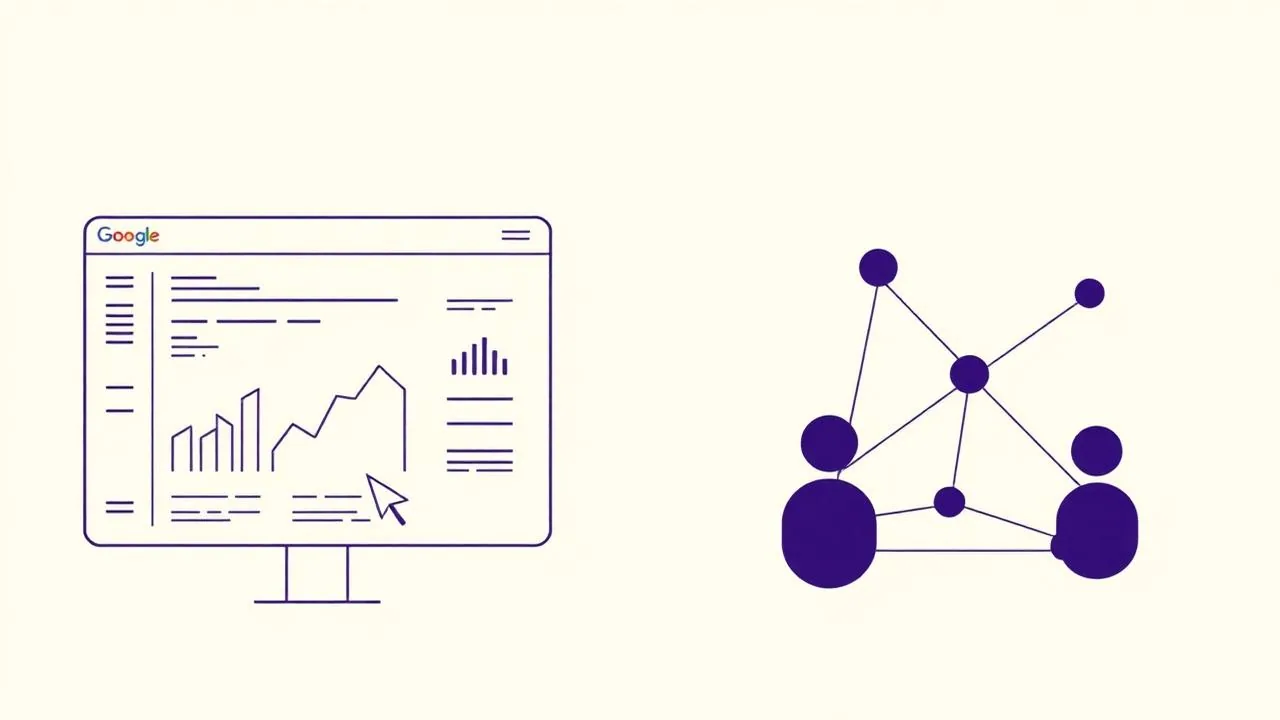
TL;DR
Software is moving from tools you log into to agents that work for you. The category has a name now, Agentic as a Service, and the shift is being called by the largest names in technology, from Jensen Huang at NVIDIA to Satya Nadella at Microsoft and Marc Benioff at Salesforce. For CX leaders, the change is not theoretical. It rewrites how you buy, how you measure, and how you justify spend. The vendors who survive will be the ones who sell verifiable outcomes, not seats.
A Category, Not a Feature
For two decades, software meant SaaS. You bought a license, a person logged in, and that person used the software to do work. The unit of value was the seat. The unit of measurement was usage. The dashboard was the product.
Agentic as a Service inverts every part of that model. The unit of value is the outcome. The unit of measurement is resolution. The dashboard is the audit trail of decisions the agent already took.
This is not a marketing relabel. It is the same scale of shift as on-premise to SaaS in the late 2000s. The companies that named the new category early, Salesforce, Workday, ServiceNow, captured the next decade. The ones that treated it as a feature got compressed into one.
Why January 2026 Is the Inflection
Three things converged in the first quarter of 2026 that did not exist in the same form a year earlier.
Models that can plan. GPT-5, Gemini 3, and Claude Opus 4.7 made multi-step planning reliable enough to put in front of customers. The same prompts that hallucinated in 2024 now decompose, verify, and act.
Protocols that can connect. The Model Context Protocol made it possible for an agent to read and write across the SaaS stack without bespoke integration work for every system. The cost of giving an agent hands fell by an order of magnitude.
Buyers who can measure. CX, Ops, and Finance functions started running side-by-side comparisons of seat-based tools against outcome-based agents. The numbers were not close. A typical mid-market CX function running an agentic deployment in early 2026 reported 40 to 60 percent of contacts resolved end to end, with CSAT held flat or rising. No SaaS bot had ever delivered those numbers honestly.
Once those three conditions held in the same quarter, the category had a market.
What the Industry Voices Are Actually Saying
The framing did not come from analysts. It came from the operators of the largest platforms in the world.
Jensen Huang, on the NVIDIA earnings stage and at GTC: AI agents are a multi-trillion-dollar opportunity, essentially digital workers that will be hired into every function of every company. NVIDIA is not selling chips for chatbots, it is selling the substrate for a new labour layer.
Satya Nadella, in interviews through Q1 2026: the business logic that lived inside SaaS applications will move into agents. The application becomes a tool the agent uses, not a tool the human uses. Microsoft is rebuilding its own product surface around that assumption.
Marc Benioff, at Dreamforce and on every quarterly call since: every company will be hiring digital workers. Salesforce is restructuring its entire pricing model around the agent, not the seat.
Three of the largest software CEOs in the world are saying the same thing in different words. That is not a trend, that is a category being declared.
AI Readiness Score
How ready is your team for AI?
6 quick questions. Get a personalised score and action plan.
Try the AI Readiness Score1000+ agents deployed worldwide · 4.8 on G2
What Changes in Plain English
The clearest way to see the shift is in three columns.
Software you log into becomes agents that work for you. You stop opening tabs to do work. You set a goal, the agent figures out which systems to touch, and reports back when the outcome is verified.
Seats and licences become outcomes and resolutions. Procurement stops counting users. It starts counting resolved tickets, completed refunds, qualified leads, closed cases. The invoice line item is the unit of work, not the unit of access.
Dashboards become decisions, taken autonomously. Reporting stops being the product. The product is the action. Dashboards exist only to audit what the agent already did, and to flag the small percentage of cases that need a human eye.
Each of those changes looks small in isolation. Together they unmake the SaaS business model.
What It Means for CX Specifically
Customer experience is the function where the shift hits hardest and earliest, because CX has always had a clean outcome to measure. A ticket is either resolved or it is not. A customer is either satisfied or they are not. There is no ambiguity to hide behind.
Three operational changes are already visible in the deployments we are running in Q2 2026.
The contact centre headcount equation flips. Agents handle the long tail of complex cases, AI handles the volume. The ratio inverts inside 18 months in most operations. The roles that remain are higher-skilled, better paid, and smaller in number.
Procurement moves from CX to Finance. When the unit is outcomes, the buyer is the CFO. CX leaders who used to own the budget now co-own it with finance, and the conversation is about cost per resolution rather than cost per seat.
The vendor list compresses. A typical enterprise CX stack in 2024 had 12 to 18 point tools. By the end of 2026, the same operations are running on 3 to 5 platforms, because an agent that can act across systems collapses categories that used to need separate vendors.
How to Read the Shift Before Your Board Does
Three diagnostics will tell you whether your organisation has actually crossed into the new category, or just bought a chatbot with a new label.
Are you buying outcomes or seats? If your AI vendor is still pricing per user, per agent, or per conversation, you are still in the SaaS model. AaaS pricing is per resolved outcome, with a verified downstream signal.
Does the agent take action, or only suggest it? If the human still has to click the refund button, update the order, or send the email, you have a copilot, not an agent. The line between SaaS and AaaS runs through that click.
Can the agent be audited? Every autonomous action needs a log, a reason, and a rollback path. If your vendor cannot show you those three things in the product, you are buying marketing, not software.
What to Do This Quarter
If you lead a CX, support, or operations function, three moves matter more than any other this quarter.
Run a side-by-side. Pick one high-volume case type. Run your incumbent SaaS tool against an agentic deployment for 30 days. Measure autonomy rate, post-resolution CSAT, and cost per resolved case. The numbers will make the strategy obvious.
Rewrite the procurement template. Stop asking vendors for seat counts and feature matrices. Ask them for verified outcomes per dollar, audit logs, and a rollback policy. The vendors who cannot answer those questions are not in the new category.
Brief the board on the category, not the technology. Boards do not need another AI deck. They need to understand that the software line in the budget is shifting from seats to outcomes, and that the operations who move first will run with structurally lower cost to serve for the rest of the decade.
Case Studies
See how teams deploy 1000+ agents worldwide
Real results from Feastables, Fintiba, Quad Lock, and more.
Try the Case Studies1000+ agents deployed worldwide · 4.8 on G2
The Honest Bottom Line
Categories shift slowly, then all at once. SaaS took five years to fully eat on-premise. Agentic as a Service will take less, because the underlying economics are sharper and the buyers are more sophisticated.
The companies that called it early in early 2026 will look obvious in 2028. The ones that waited for the analyst report will be the case studies in why they waited. Certainly made the call in January. The rest of this year is about helping CX leaders make it too.